


Cause before correction
The aim is to understand what is driving the loss pattern before jumping into the wrong solution too early.
Not every hair concern should move straight into surgery. Many patients first need a closer review of shedding, scalp condition, patchy loss, inflammation, or whether alopecia is driving the pattern they are seeing. The right next step is often diagnosis, support, and a calmer treatment pathway that protects long-term results.
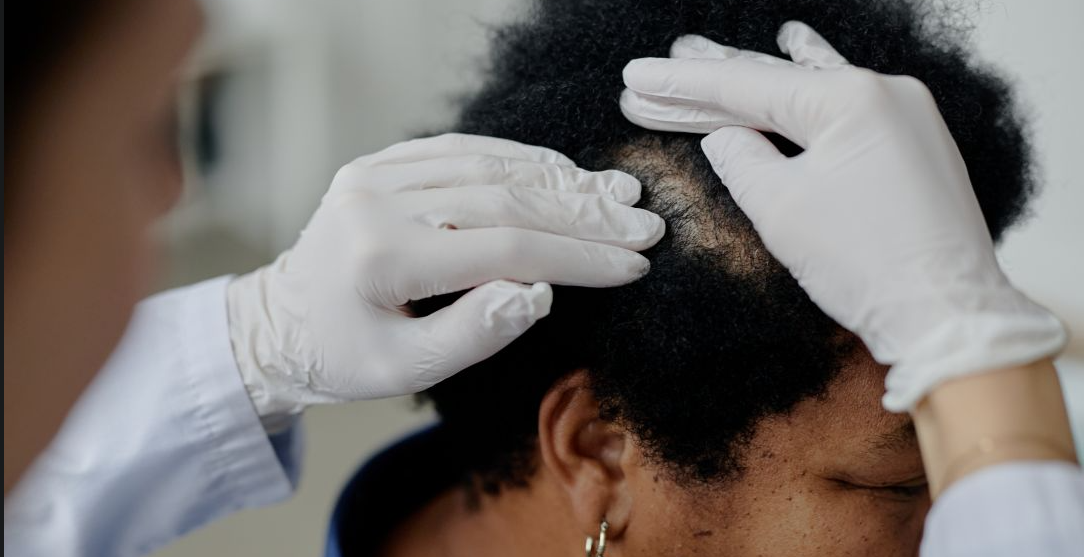
The aim is to understand what is driving the loss pattern before jumping into the wrong solution too early.
Patients often need to know whether the scalp is ready for treatment and what support should happen first.
When alopecia and scalp care are handled properly, every later treatment conversation becomes clearer and safer.
Hair loss can be more complex than a visible thinning area. Some patients need help with patchy loss, scalp irritation, inflammation, or patterns that change the treatment decision entirely. That is why alopecia and scalp care should not be treated like an afterthought. It is often the foundation for what should happen next.
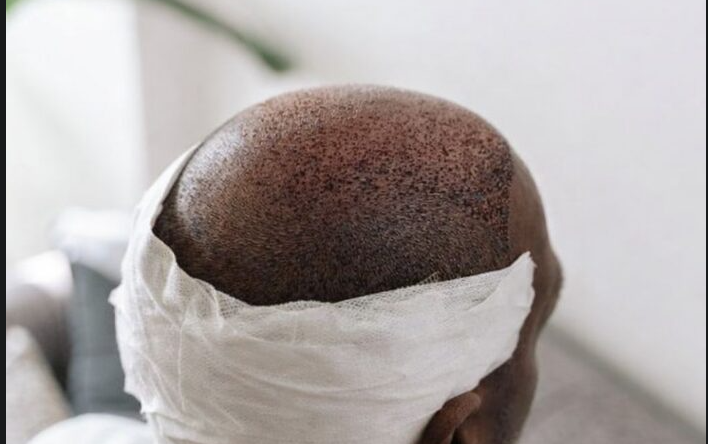

We listen first: how the loss started, where it is changing, and what else may be happening around the scalp.
The scalp itself is reviewed to understand whether irritation, shedding, or an underlying issue needs attention before any procedure plan.
You get clearer direction on whether the next step should be scalp support, longer observation, or treatment planning.
The aim is to reduce fear and confusion so you know what to do next without chasing random advice online.
The biggest relief is often simple clarity: whether this is a scalp concern, an alopecia pattern, a temporary issue, or something that changes the timing of surgery entirely.
No. In many cases, the smarter first move is scalp assessment, diagnosis, and a treatment direction that fits what is actually happening.
Yes. Scalp readiness matters, which is why proper review before procedure planning is part of better clinical care.
Because diagnosis, follow-up, and adjustment are easier to handle when the clinic relationship remains practical and close to you.
Start with a private assessment so you can get clearer direction on alopecia, scalp care, suitability, and the most sensible next step.
Patient guide
Read our guide to hair transplant planning for women in Nigeria and why assessment comes first.
