

Face-first planning
The correct line depends on facial proportions, temple balance, and how you want the result to age naturally over time.
A strong hairline should not look stamped on. It should suit the face, age, hair texture, and pattern of loss already present. That is why hairline design is one of the most important conversations in the entire treatment journey. It shapes whether the final result looks refined or obvious.
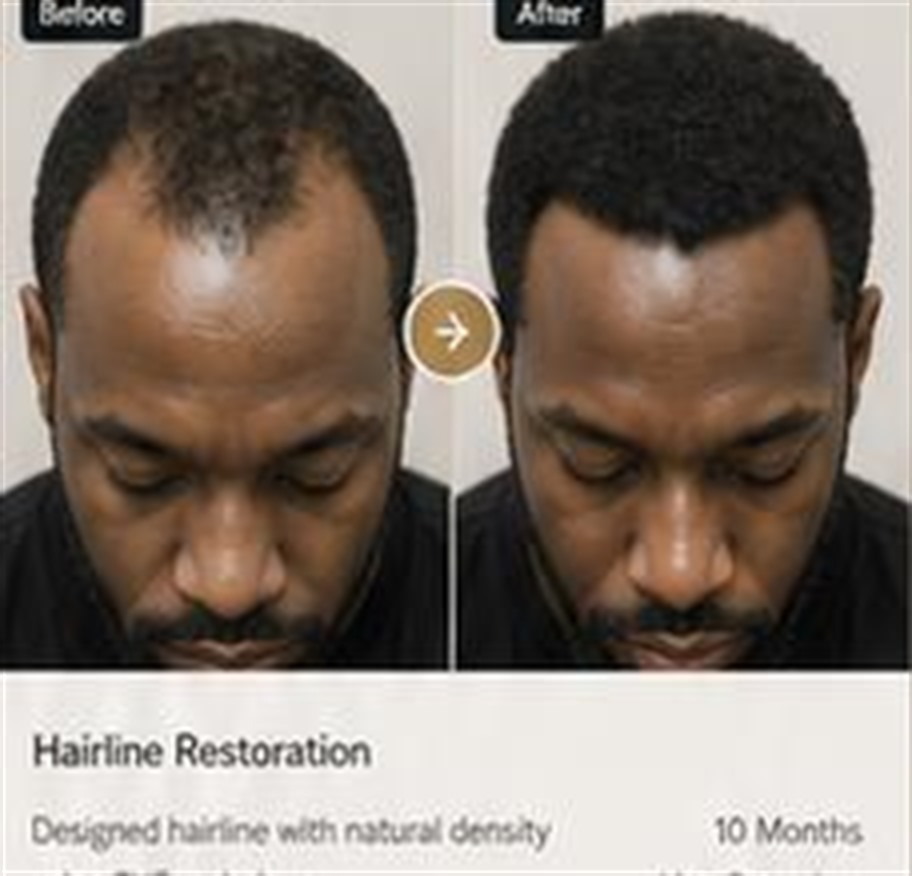
The correct line depends on facial proportions, temple balance, and how you want the result to age naturally over time.
Patients usually fear a line that looks too straight, too low, or too dense. Good design protects against that.
Hairline work should blend into existing hair texture and direction so the front never looks disconnected from the rest.
A hair transplant can place grafts, but a well-designed hairline shapes the identity of the whole result. The strongest outcomes usually feel calm because the line is not trying too hard. It sits in the right place, with the right softness, and allows density to build in a way that still looks real in daylight, in conversation, and over time.
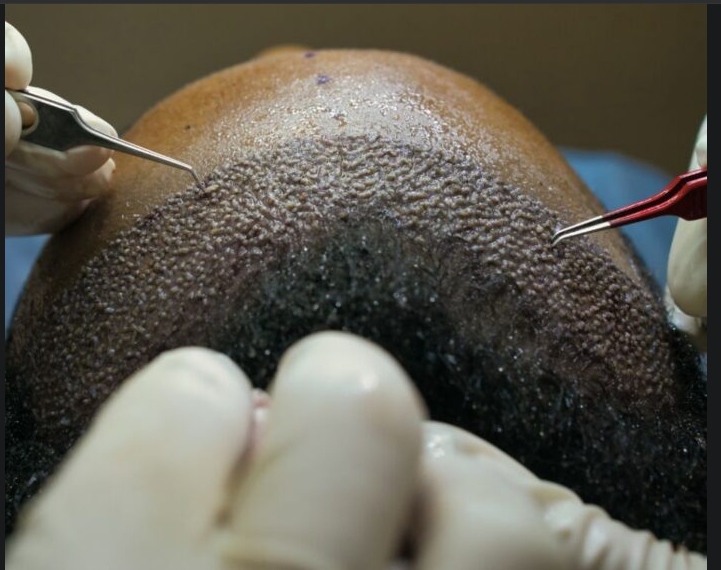
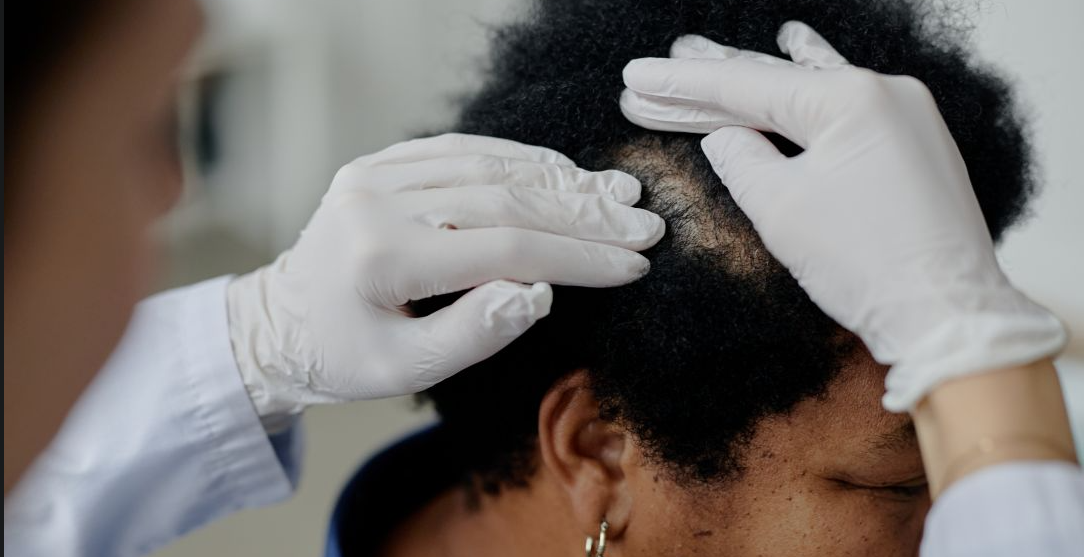
We assess how recession is presenting now and where the design should support the face without overcorrecting it.
The line is planned around softness, temple movement, and how new density should connect to what already exists.
Coverage is layered so the transition feels natural rather than sudden or blocky.
Good design looks beyond the first impression and protects how the result will read months and years later.
That fear is valid. The answer comes down to planning. Hairline work only looks premium when the line, angle, density, and age-fit have all been reviewed properly before treatment.
Yes, and that is exactly why restraint matters. A sensible line usually feels stronger than an aggressive one.
Absolutely. The front is where people read the outcome first, so poor design can make even technically solid work feel obvious.
Because it gives you better access to planning conversations, review points, and the kind of adjustments that only make sense when communication stays close.
Start with a private assessment so the design is shaped around your face, your loss pattern, and the most believable next step.
Patient guide
Read how a natural hairline is planned before your assessment.
