


Density where it matters
DHI is often explored by patients who care deeply about visible fullness and a cleaner finish through the front or top zones.
DHI is usually considered when the treatment plan benefits from tighter implantation control, especially around visible density zones and refined hairline detailing. The real promise is not trendiness. It is precision, suitability, and a result that looks thoughtfully placed rather than aggressively packed.
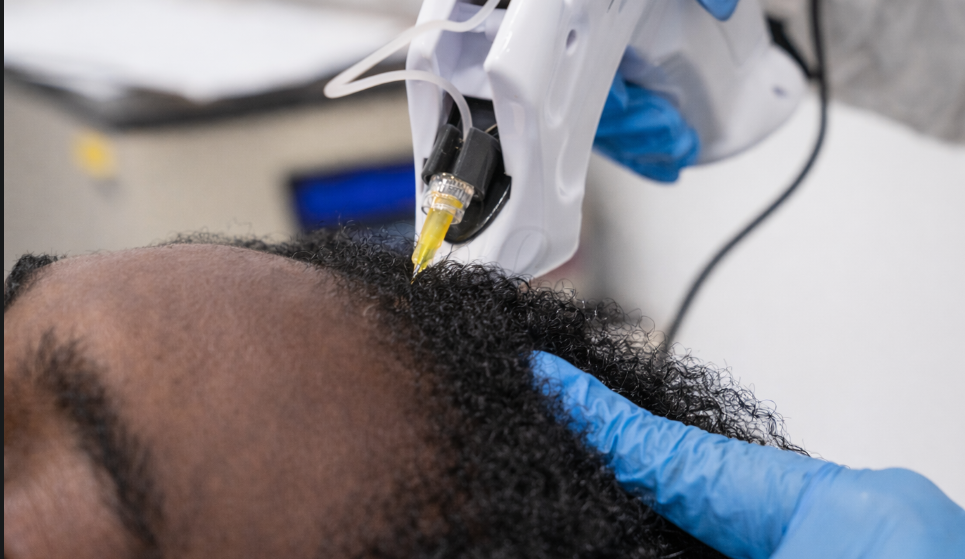
DHI is often explored by patients who care deeply about visible fullness and a cleaner finish through the front or top zones.
The method can support a more deliberate implantation rhythm when angle, direction, and pattern detail are central to the case.
DHI only works well when suitability, scalp condition, and density goals have been reviewed properly before treatment day.
Patients normally arrive asking a simpler question: “Which technique gives the best result?” The better question is which technique fits the area being treated, the density goal, and the type of finish you want. DHI tends to matter most when placement precision itself becomes a major part of the treatment strategy.
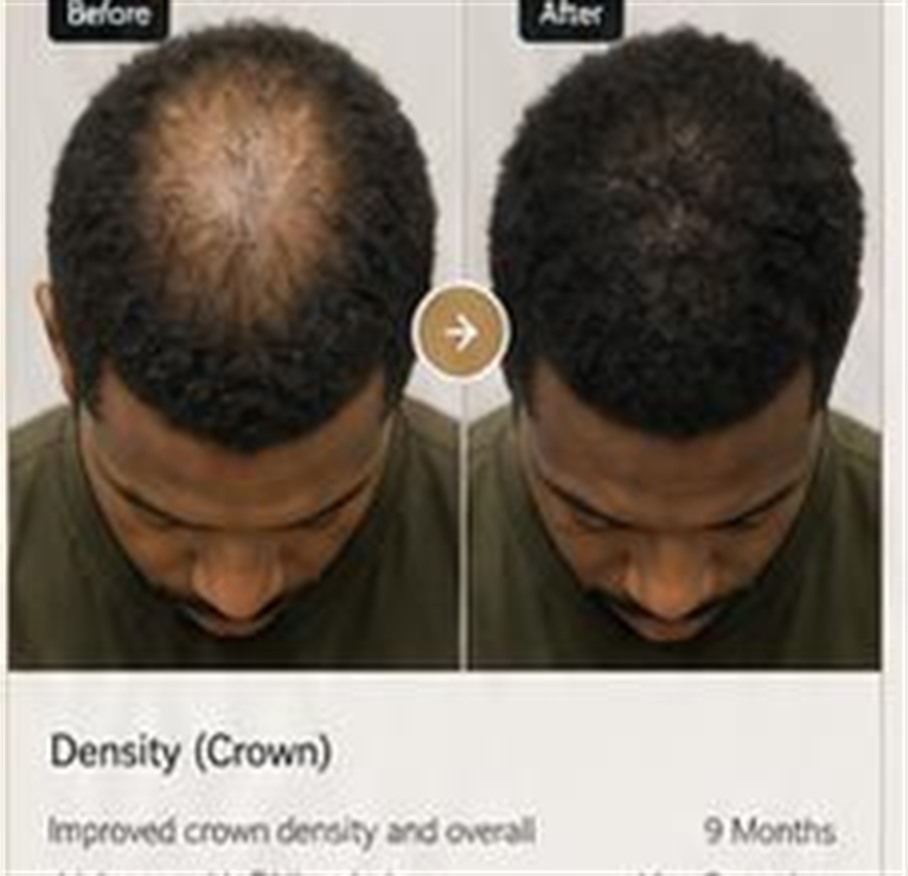
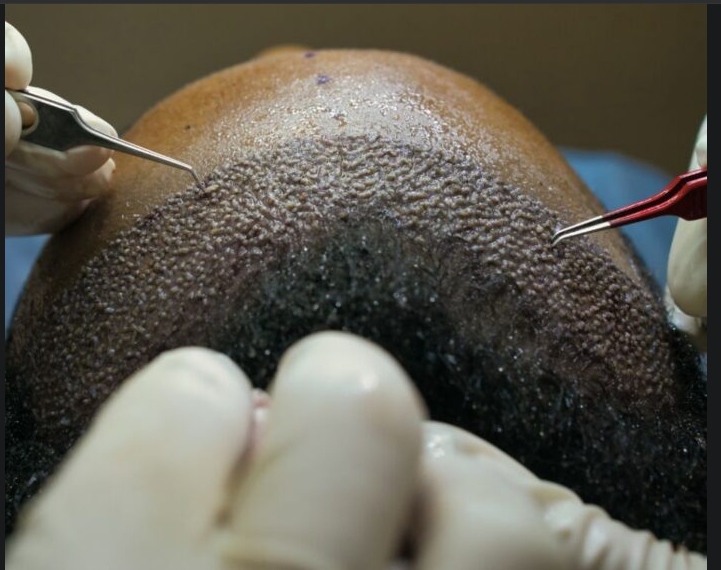
We assess whether the visible area, scalp quality, and density expectation make DHI a sensible route.
The discussion focuses on how density should sit, how direction should flow, and what a believable finish should look like.
Placement is handled with attention to pattern and refinement rather than just quantity.
Patients need clear aftercare, practical review checkpoints, and a clinic relationship that stays accessible.
The point is not simply to choose a premium-sounding method. It is to feel sure that the technique actually suits the result you want and the scalp you have now.
No. The better route depends on treatment zone, density goals, and clinical fit. The technique should serve the case, not the other way around.
Density is still shaped by planning, donor strength, and the realism of the target. Good outcomes come from method plus discipline, not method alone.
Because you can get the explanation, planning, and follow-through you need without treating aftercare like a distant afterthought.
Start with a private assessment so the choice between DHI, FUE, or another route is based on suitability, not noise.
Patient guide
Read our hair-transplant recovery timeline for useful questions to take into an assessment.
