

Natural hairline control
FUE gives the planning team the flexibility to rebuild frontal framing with softer direction changes and more believable density transitions.
FUE is often the right route for patients who want controlled extraction, flexible placement, and a treatment plan that rebuilds density without feeling rushed. It also makes calmer local follow-up easier because donor strength, density goals, and long-term realism are planned from the start.
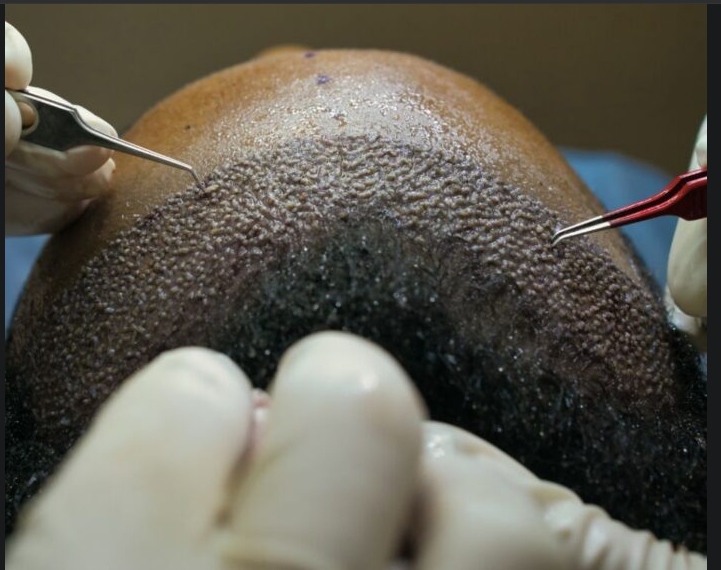
FUE gives the planning team the flexibility to rebuild frontal framing with softer direction changes and more believable density transitions.
The procedure only works well when extraction is disciplined and future donor options are protected instead of overused early.
Recovery questions, healing checks, and result reviews stay easier to manage when your clinic relationship remains in Lagos.
Most patients are not just looking for more hair. They are trying to solve a more personal concern: a receding hairline, a weak temple area, a thinning crown, or a look that no longer feels settled. FUE is often attractive because it can address those concerns with a method that feels structured, refined, and widely trusted when handled well.
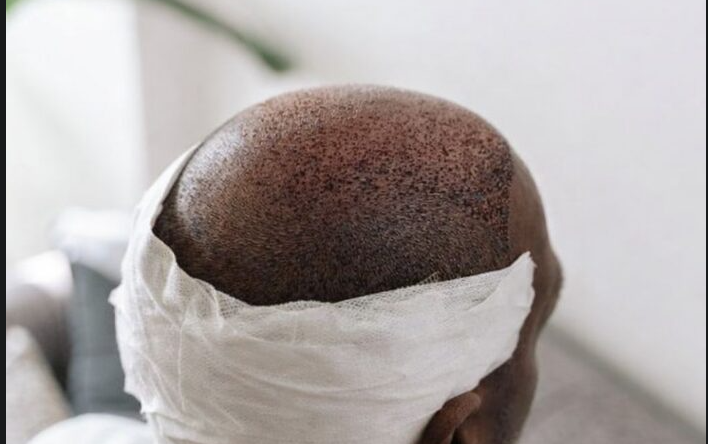
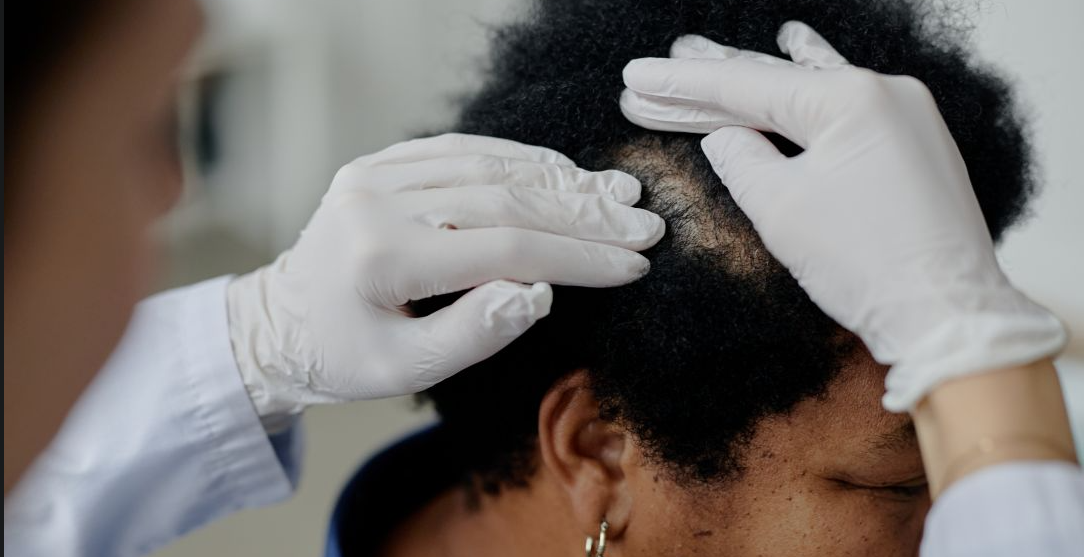
We review pattern of loss, donor strength, scalp condition, and whether FUE is the most sensible route for your case.
The design stage focuses on what will still look credible months later, not just what looks dramatic on day one.
Grafts are handled with care so the procedure supports both visible improvement and long-term donor preservation.
Aftercare only feels reassuring when it is practical. That is why local follow-up matters just as much as procedure day.
The hesitation is often the same: will it look natural, is it safe, and am I choosing the right clinic locally instead of traveling? Those are the exact fears the page should answer before someone reaches out.
Good FUE planning avoids harsh lines and over-packed density. The goal is a believable result that fits your age, facial structure, and pattern of loss.
No. The right route depends on donor quality, treatment area, scalp condition, and what result is realistic. That is why assessment comes before recommendation.
For many patients, the real advantage is better continuity: easier review, more practical aftercare, and less travel friction around recovery.
The next sensible step is not guesswork. It is a calmer assessment of your scalp, donor area, density goals, and whether FUE truly fits what you need.

Patient guide
Read our hair-transplant recovery timeline for useful questions to take into an assessment.
